
When winter hits Sioux Falls, SD and Sioux City, IA, snow and ice don’t just make life inconvenient—they create real risks for homeowners, businesses, HOAs, and property managers. A slick sidewalk or a blocked driveway can lead to falls, vehicle damage, delayed emergency response, and costly liability claims. That’s why Professional Snow Removal Services are about far more than saving time: they’re about protecting people, reducing risk, and staying ahead of winter conditions with a plan that actually works.
In this Learning Center article, we’ll break down what “safe snow removal” really means in the Midwest. You’ll learn how liability typically happens, where hazards hide (even when things look “cleared”), the practical steps a professional crew takes to reduce risk, and what to look for when choosing a snow provider in Sioux City and Sioux Falls. We’ll also share simple best practices you can use to make your property safer between visits—because winter safety is a team effort.
Why Snow Removal Becomes a Safety Issue So Fast in the Midwest
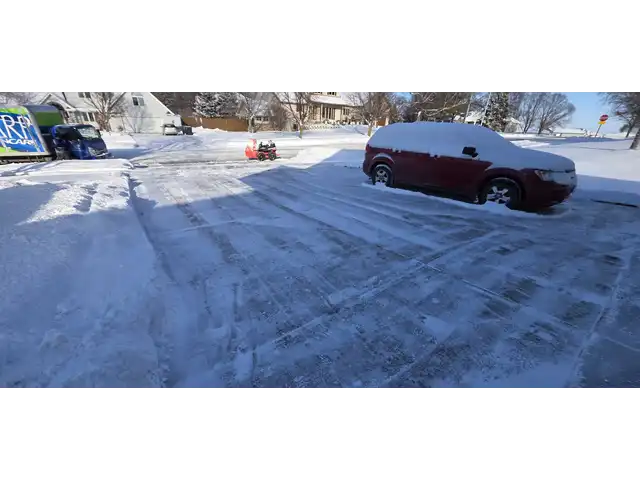
Sioux City and Sioux Falls winters have a way of flipping conditions quickly. One day it’s a light snow, the next it’s drifting, refreezing, and wind-packed ice. What makes our region especially tricky is the constant cycle of melt during the day and refreeze at night, paired with wind that pushes snow right back into “cleared” areas. That’s when routine winter chores become a genuine safety concern.
Here’s how hazards show up even when you think you’re on top of it:
- Refreeze after partial melting: Sunshine or mild temps can melt surface snow. Once the sun drops, that meltwater turns into a thin, nearly invisible ice layer.
- Wind drift and re-cover: In open areas and along drive lanes, wind can quickly drift snow back across sidewalks, ramps, and entryways.
- Compaction from foot traffic: A little snow becomes a hard-packed layer when people walk on it. After compaction, it’s much tougher to remove and more likely to become slick.
- Plow pile melt-off: Snow piles placed near walkways often melt during warmer spells and refreeze into ice sheets overnight.
Professional crews don’t just “push snow.” They plan for these predictable Midwest patterns and build a service approach that focuses on risk reduction—not just appearance.
Why Professional Snow Removal Services Reduce Liability Risk
Liability is a word that gets tossed around, but the concept is simple: if someone gets hurt on your property due to a preventable hazard, you may be held responsible. That can apply to homeowners, business owners, landlords, HOAs, and commercial property managers. And in winter, slips and falls are among the most common incidents.
Hiring Professional Snow Removal Services helps in three major ways:
- Consistency: A reliable schedule and storm response plan reduces “gap windows” where hazards form and go unaddressed.
- Process: Pros follow repeatable steps—plowing, shovel/handwork, re-checking corners, and applying ice control products where needed.
- Documentation: Many professional providers keep records of service timing and conditions. That documentation matters if there’s ever a dispute about what was done and when.
Just as important: professionals understand the difference between cleared and safe. A driveway can look open but still have ice near the garage edge, sidewalk joints, steps, and shaded north-facing areas.
The Most Common Winter Hazards (And Where They Hide)
Most slips don’t happen in the middle of an open sidewalk. They happen where snow melt refreezes, traffic compacts, or drainage pools—usually near entrances and transitions.
If you’re trying to reduce injury risk, focus on the danger zones below. These are the places professionals pay extra attention to because they’re the most likely to cause problems:
- Entryways and steps: Foot traffic compacts snow fast, and steps create uneven traction. Even a thin film of ice can cause a bad fall.
- Ramps and sloped walks: Anything with slope becomes more dangerous with even light icing.
- Garage aprons and driveway edges: Melting from vehicles and sunlight refreezes at night—especially near the garage door line.
- Downspouts and drainage paths: If meltwater drains across a sidewalk, it’s an ice-maker.
- North-facing shaded areas: Less sun means snow and ice linger longer, especially behind buildings and along fence lines.
- Parking lot corners and curb cuts: Piles melt, water runs, and refreezes exactly where people step out of vehicles.
When snow removal is handled “when someone gets around to it,” these zones are often missed. A professional crew follows a checklist-style route so the risky spots aren’t forgotten.
What Professional Snow Removal Looks Like (Beyond Just Plowing)
Not all snow work is equal. A true professional approach is a combination of equipment, planning, and follow-through. Here’s what a well-run winter plan typically includes in Sioux City and Sioux Falls:
1) Storm Monitoring and Trigger Points
Pros track forecasts and local conditions so they can time service properly. Timing matters because clearing too early can lead to re-cover, and clearing too late can lead to compaction and icing. Many properties benefit from defined service trigger points (for example, dispatching once snowfall reaches a certain depth or when drifting becomes severe).
2) Plowing for Access and Visibility
Plowing is about more than opening lanes. A good plow plan accounts for:
- Where snow will be stacked so piles don’t block visibility or drain into walkways later.
- Keeping fire lanes and access routes open for deliveries and emergency response.
- Minimizing damage by working carefully around curbs, turf edges, and hardscape.
3) Handwork Where Machines Can’t Reach
Sidewalks, steps, tight walkways, and entry pads often need hand clearing. That’s where a lot of accidents happen, which is why professional service includes the “detail work” rather than only the big push.
4) Ice Management and Prevention
Ice is often the real problem. A professional strategy typically includes the right product, applied at the right time, in the right places—especially at entrances, slopes, and shaded areas.
One of the biggest differences between DIY and professional service is proactive ice control. It’s not just reacting to ice; it’s reducing refreeze risk by treating likely trouble spots after clearing.
5) Follow-up Passes and Spot Checks
In Midwest conditions, a single pass isn’t always enough. Wind drift, ongoing snowfall, and refreeze mean properties sometimes need follow-ups to stay safe. A professional plan anticipates that reality.
Examples: Where Liability Problems Commonly Start
Most winter incidents follow a familiar pattern. Here are a few realistic scenarios that can happen in our area:
- Business entry slip: A sidewalk is cleared, but meltwater from a downspout runs across the entry and refreezes overnight. Morning foot traffic hits that ice first thing.
- HOA mailbox cluster fall: A plow pile near the mailbox area melts in the sun. The next cold night freezes runoff into a slick sheet right where residents stand.
- Rental property steps: Snow is partially cleared, but remaining packed snow on steps turns to ice after repeated use. A tenant slips during a temperature drop.
- Commercial lot curb cut: Snow gets pushed to the curb line. Vehicles splash slush near the curb cut and it refreezes, creating a hazard where pedestrians exit cars.
These aren’t “freak accidents.” They’re predictable. The goal of professional snow removal is to prevent predictable problems through consistent service and smart site awareness.
Midwest-Specific Tips to Keep Your Property Safer Between Snow Visits
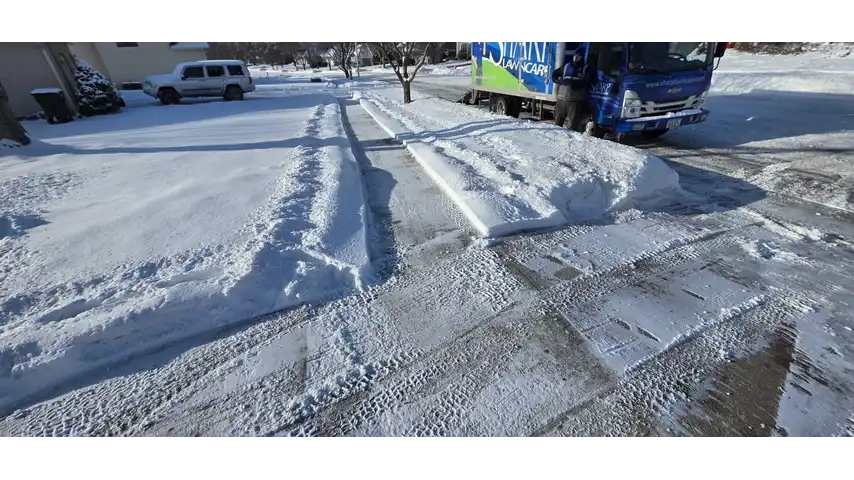
Even with a professional plan, there are a few simple actions that help reduce risk—especially during long storms or rapid thaw/refreeze cycles:
- Clear early foot traffic paths: If you know people will walk from parking to an entrance before service arrives, try to keep that lane from becoming compacted.
- Watch the downspouts: If a downspout drains over a sidewalk, redirecting water can dramatically reduce refreeze.
- Keep entry mats effective: Wet floors cause as many falls as icy walks. Good mats and routine replacement help.
- Limit “shortcut” walking routes: People will take the shortest path—through snow, over piles, across grass edges—then it compacts and turns icy. Blocking shortcuts helps keep foot traffic where it’s maintained.
- Don’t ignore small storms: A light snowfall can become more dangerous than a big one if it compacts and refreezes.
- Plan for wind: If drifting is common on your property, you may need follow-up clearing even after the storm ends.
Think of winter safety like lawn health: good outcomes come from a consistent process, not a one-time fix.
How to Choose the Right Professional Snow Removal Provider
If you’re evaluating professional snow removal services, the goal isn’t just “who can plow.” It’s who can help you reduce risk and keep access reliable all winter. Here are the practical questions to ask:
- Do you provide both plowing and sidewalk/entry clearing? Many incidents happen on walks and steps, so coverage matters.
- How do you handle ice? Ask about proactive treatment, follow-ups, and where they typically apply product.
- How do you monitor storms and dispatch crews? The best plans aren’t reactive—they’re prepared.
- What’s your communication process? Clear updates help property managers and homeowners stay informed.
- Do you document service visits? Records can matter if questions arise later.
- How do you protect property? Look for a provider that takes care around edges, curbs, landscaping, and structures.
In Sioux City and Sioux Falls, the “right” provider is one that understands our weather patterns and treats winter maintenance as an ongoing system—not a quick push after a storm.
Suggested Internal Links for This Article
To help visitors build a complete year-round property plan, consider linking to these Sharp Lawn Care pages (where relevant):
- Snow removal (service overview and winter planning)
- Aeration (improves soil health and drainage—helpful for spring recovery)
- Overseeding (repairs thinning turf after winter wear)
- Lawn Care Programs (fertilization and weed control for a stronger lawn season)
Conclusion: Snow Removal Is a Safety Plan, Not a Convenience
In a Midwest winter, snow and ice create risks quickly—and those risks don’t just affect your schedule. They affect your family, your visitors, your tenants, your customers, and your responsibility as a property owner. The biggest advantage of Professional Snow Removal Services is not convenience. It’s the confidence that your property is being cared for with a consistent process designed to reduce hazards, keep access open, and help protect you from avoidable liability.
If you’re in Sioux Falls, SD or Sioux City, IA and want a winter plan you don’t have to second-guess, contact Sharp Lawn Care. We’ll help you set up a snow removal approach that keeps your property safe, accessible, and ready for whatever the season throws at it.
Call us at (712) 253-8024 for Sioux City, IA service or (605) 251-6880 for Sioux Falls, SD service, or reach out online to get started.

Comments (0)
Thanks for your comment!
Thanks for your feedback! Your comments have been successfully submitted! Please note, all comments require admin approval prior to display.
Error submitting comment!
There is a problem with your comment, please see below and try again.