

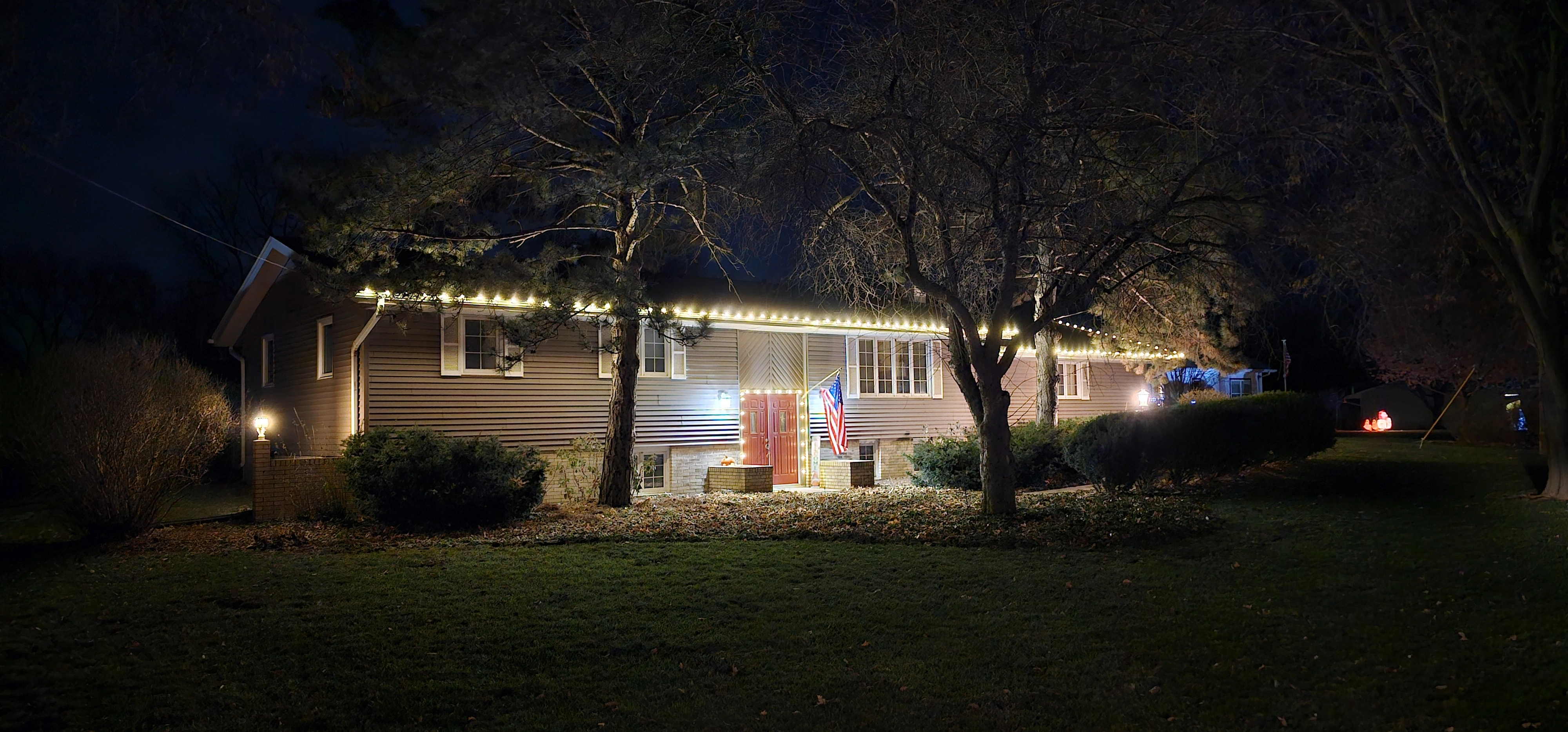
If you love the look of a bright, classic holiday display but dread the ladder, the tangled strands, and the cold wind, you’re not alone. Professional christmas light installation is a simple idea with a big payoff: you get a clean, even look without sacrificing weekends, safety, or sanity. In this guide, we’ll break down exactly how professional installation saves you time, reduces hassle, and lowers the risk that comes with winter decorating—especially in the Midwest, where Sioux Falls and Sioux City weather can turn “quick roofline lights” into an all-day ordeal.
We’ll cover what the professional process looks like, what can go wrong with DIY (and why it’s so common), what to watch for when choosing an installer, and a few practical tips if you’re determined to do some of the work yourself.
What is professional Christmas Light Installation?
Professional Christmas Light Installation is a full-service approach to holiday lighting—planning, setup, safe installation, and season support—handled by trained crews using the right equipment and methods for winter conditions. Instead of guessing how many strands you need, balancing on icy steps, and hoping the lights stay put in prairie wind, you get a plan built around your home’s roofline, peaks, dormers, and key focal points.
Most homeowners think of holiday lights as “just decoration,” but in real life it’s also: working at height, managing electricity outdoors, securing lights against wind and snow, and protecting your roof, gutters, and siding. A professional service treats it like a project—because it is one.
How professional installation saves you time (more than you think)
DIY holiday lights often start with good intentions: “I’ll knock it out Saturday morning.” Then the real timeline shows up.
Where the time goes with DIY:
- Setup and prep: finding bins, untangling cords, testing strands, replacing bulbs, hunting for clips you “swear you had.”
- Tool run(s): extra clips, a new extension cord, a replacement timer, a second ladder, or the right kind of outdoor-rated splitter.
- Design guesswork: measuring the roofline, estimating coverage, and realizing mid-install that you’re short on lights.
- Slow ladder work: careful climbing, repositioning, re-climbing, and trying not to scuff gutters or siding.
- Fixing what slipped: wind pulls, sagging lines, dark sections, and the “one peak that never stays straight.”
A professional crew shows up with the plan, the clips, the ladders, and the workflow already dialed in. They’re not learning your roofline in real time—they’re executing. That’s the difference between a full Saturday (or two) and a predictable install day that doesn’t steal your free time.
Midwest reality check: In Sioux Falls and Sioux City, the “good weather window” can close fast. A professional install helps you avoid the scramble of trying to beat the next wind event, freeze-up, or early snow.
How professional installation saves you hassle (the stuff nobody posts about)
Holiday lights look simple in photos. The hassle is everything behind the scenes. Professional installation reduces frustration in a few practical ways.
1) You don’t have to solve the “why won’t this work?” problems
DIY headaches usually come down to a few repeat offenders: one bad section kills a run, a plug loosens, water gets into a connection, a timer fails, or a circuit trips when you add “just one more strand.” Pros test as they go and build your display in a way that’s easier to troubleshoot and maintain.
2) You get a cleaner, more intentional look
Most homeowners want the same thing: a straight, balanced roofline that looks classic from the street. Pros use the right clip types for gutters, shingles, and fascia, and they pay attention to spacing so the line reads clean—even across peaks and transitions where DIY lights often drift or sag.
3) No storage headaches
Storing lights sounds easy until you’re coiling dozens of strands and trying to keep clips, timers, and extension cords sorted for next year. Professional service typically includes organized takedown and storage practices so you’re not starting from scratch every season.
How professional installation reduces risk (falls, electricity, and roof damage)
This is the part most homeowners underestimate. Holiday light installation blends height + cold + speed (because you’re trying to finish) + slippery surfaces. That mix is where people get hurt or damage their home.
Ladder and fall risk
Falls are the big one. Extension ladders need correct angle, secure footing, and safe climbing habits—especially when you’re carrying lights and clips. Professional crews are trained to use ladders properly, maintain stable setups, and work with spotter-style awareness around doors, walkways, and uneven ground.
Electrical and fire safety
Outdoor holiday lighting means outdoor-rated materials, secure connections, and smart load management. Pros use appropriate equipment for exterior use, fasten lines so wind doesn’t whip cords loose, and avoid the “daisy chain everything into one cord” approach that can create problems.
Roof, gutter, and siding protection
Common DIY damage looks like this:
- Gutters bent by ladder placement or over-tightened clips
- Shingles lifted from improper attachment methods
- Siding scuffs from dragging cords or leaning ladders in the wrong spots
- Loose runs that slap the home in the wind (and eventually fail)
A professional install is built around secure attachment and clean routing so your display stays where it belongs and your home’s exterior stays in good shape.

What the professional process looks like (step-by-step)
Here’s a practical walkthrough of how a well-run holiday light service typically works. Knowing the steps helps you understand what you’re paying for: planning, safety, quality control, and support—not just “hanging lights.”
Step 1: Design and layout planning
A pro starts with the home’s structure and sightlines. The goal is a display that looks intentional from the curb—not random bright spots. Roofline is the classic backbone. Then you add focal points: peaks, entryway, garage line, columns, or a feature tree.
Step 2: Measurement and materials planning
Pros measure runs so the layout fits properly—no stretching, no short sections, no awkward gaps. They also plan connection points and routes so cords are neat and protected.
Step 3: Safe setup (ladders, access, and conditions)
Winter installs require judgment. A professional crew is watching for wind gusts, icy surfaces, soft ground that won’t hold ladder feet, and rooflines that are unsafe to access in current conditions. When the conditions aren’t right, good crews don’t force it—they adjust the plan.
Step 4: Clean installation and secure fastening
This is where the difference shows. Pros use appropriate clips and fastening methods so lights stay straight and secure. They avoid shortcuts that lead to drooping runs or blown-off sections after the first strong Midwest wind.
Step 5: Testing, timing, and final walkthrough
Before the crew leaves, everything gets tested. Timers are set (if included), dark sections are corrected, and the display is checked for balance and symmetry. A “walk the curb” view matters—because that’s how your neighbors and guests see it.
Step 6: In-season support
Even a well-built display can get hit by weather. A professional service can handle fixes quickly—without you climbing back up in December to chase down a loose connection or reattach a wind-whipped section.
Step 7: Takedown and post-season care
Taking lights down is often worse than putting them up: cold hands, brittle cords, and the temptation to yank things loose just to be done. Pros remove everything carefully and keep it organized for the next season.
Midwest-specific advice for Sioux City and Sioux Falls homes
Holiday lighting in the Midwest is a different game than mild-climate installs. Here’s what matters most around Sioux Falls, SD and Sioux City, IA.
Wind is the silent destroyer
Sioux Falls and Sioux City both see strong prairie winds that can loosen clips, shift runs, and pull on connections. Professional installs focus on secure fastening and smart routing so lights don’t flap, slap, or disconnect during gusty stretches.
Freeze/thaw cycles change everything
Connections that feel snug in the afternoon can loosen after a cold snap. Materials get stiff. Surfaces get slick. Pros plan for these conditions and use installation methods that hold up when temperatures swing.
Snow and ice affect access and safety
Even if your roofline looks clear, the ground below might be icy or uneven under snow. That’s a ladder hazard. Pros use safer setups and make the call when a section should wait for a better window.
Older homes vs. newer builds
Older homes often have unique rooflines, mature landscaping, and tricky attachment surfaces. Newer builds may have steep pitches, high peaks, and multiple elevations. Professional christmas light installation is valuable in both cases because the approach changes based on the structure—and the risks do too.

How to choose the right holiday light installer
If you’re comparing providers, don’t get stuck on surface-level promises. Use a simple checklist that protects your home and ensures a professional result.
- Safety-first process: Ask how they handle ladders, steep rooflines, wind days, and icy conditions.
- Exterior protection: Confirm they use proper clips/fasteners and avoid methods that can damage shingles, gutters, or siding.
- Clear communication: You should know what areas are included, what the schedule window looks like, and what happens if weather delays an install.
- In-season support: Ask what happens if a section goes out, shifts, or gets damaged mid-season.
- Professional finish: The goal is a clean line and balanced look—not a rushed install that needs constant babysitting.
If you DIY anyway: a quick “be smart about it” checklist
Some homeowners will always prefer DIY—and that’s fine. But don’t ignore the risk. If you’re going up a ladder in winter, take it seriously.
- Pick the right day: avoid high wind, wet conditions, and icy ground.
- Use outdoor-rated lights and cords: indoor products don’t belong outside.
- Inspect every strand: look for frayed wires, cracked sockets, and loose connections.
- Don’t overload cords: spread the load across circuits and follow manufacturer guidance.
- Stabilize the ladder: firm, level footing matters more than speed.
- Keep three points of contact: don’t climb while carrying armfuls of gear.
- Plan attachment: use proper clips—avoid nails, staples, or anything that risks damage.
Honest truth: If you’re already thinking, “This roofline is sketchy,” that’s your sign. High peaks, steep pitches, and winter conditions are exactly why homeowners choose professional christmas light installation.
Helpful internal links:
Explore this links for more information about our seasonal services and solutions.
Authoritative external resources worth linking
For homeowners who want to double-check safety guidance, these are strong, reputable references:
- OSHA: Safe Use of Extension Ladders (PDF)
- U.S. Consumer Product Safety Commission: Holiday Decoration Safety Tips (PDF)
- Iowa State University: Ladder Safety
Schedule your professional holiday light installation with Sharp Lawn Care
Holiday lighting should feel like part of the season—not a risky weekend project you dread. If you want a clean, classic display without the ladder time, tangled cords, and winter hazards, our team at Sharp Lawn Care is here to help with Professional Christmas Light Installation. We handle the planning, safe installation, and the details that make your roofline look sharp all season long.
We serve homes and businesses across Sioux Falls, SD and nearby areas like Tea and Harrisburg, and we also provide this service in Sioux City, IA. Call us today at (605) 251-6880 to schedule if you’re in the Sioux Falls, SD area, and if you’re in Sioux City, IA, you can call (712) 253-8024 to get started.

Comments (0)
Thanks for your comment!
Thanks for your feedback! Your comments have been successfully submitted! Please note, all comments require admin approval prior to display.
Error submitting comment!
There is a problem with your comment, please see below and try again.